The Bramlys Guide to Buying on the Secondary Market
There’s a moment that every watch buyer recognises when you see ‘the one’; the dial catches your eye, the case profile looks perfect, everything looks like it’s made specifically for you … and suddenly you’re imagining it on your wrist for years, or at least until the next one comes along!
And it’s the secondary market where that moment happens most often, because it’s where the variety lives … the discontinued references, the hard-to-get pieces, the “right” size, the “right” era, the “right” everything. And you mostly get stronger value than when buying new. You can buy with your head. Depreciation often hits hardest at the start. Buying pre-owned can reduce that initial drop and, in some cases, give you a stronger long-term value position.
But it’s also where mistakes can happen.
So here’s a guide to buying pre-owned properly; what matters, what doesn’t and the checks that separate a confident buy from a potentially costly lesson. It’s designed to help you buy confidently, whether you’re stepping up to your first serious watch or adding a meaningful piece to a growing collection.
The secondary market explained
Buying pre-owned isn’t a compromise. Done well, it’s actually an upgrade. You get more choice, quicker access to what you want and, as is often the case in today’s world, the ability to buy watches you simply can’t walk into a boutique and pick up.
But “secondary market” is a broad church. It includes:
- Highly reputable specialists with robust authentication and aftercare
- General jewellery shops / jewellers (some excellent, some… less so)
- Online platforms (also, some excellent, some… less so)
- Private sellers (where risk rises sharply)
So the closer you move down this ladder and towards private deals and vague listings, the more the burden shifts onto you. That’s why a proper dealer relationship matters and why the process is as important, if often more important, than the price.
Authenticity – the one non-negotiable
Counterfeits aren’t always obvious anymore. In fact, the most convincing fakes are designed to pass a quick glance and even casual handling.
The key point that many buyers miss: authenticity isn’t just “is the watch real?”. It’s also “is the watch correct?”, correct parts, correct era, correct configuration.
A watch can be “genuine” yet still be wrong for what it claims to be if components have been swapped over time: dial, hands, bezel, bracelet, clasp, even movement parts. Some changes are harmless; others can affect value significantly.
What you’re really buying is confidence: confidence that the watch is authentic, correct, honestly described and supported by a dealer who stands behind it.
Size – the fastest route to buyer’s remorse
Most watch regret isn’t about the model – it’s about how it wears. And the biggest trap is assuming case diameter tells you everything. Which it doesn’t.
So, what actually drives “fit”:
- Lug-to-lug length: the real wrist limit for many pieces
- Thickness: changes comfort more than people expect
- Bracelet taper and clasp size: affects balance and how it sits
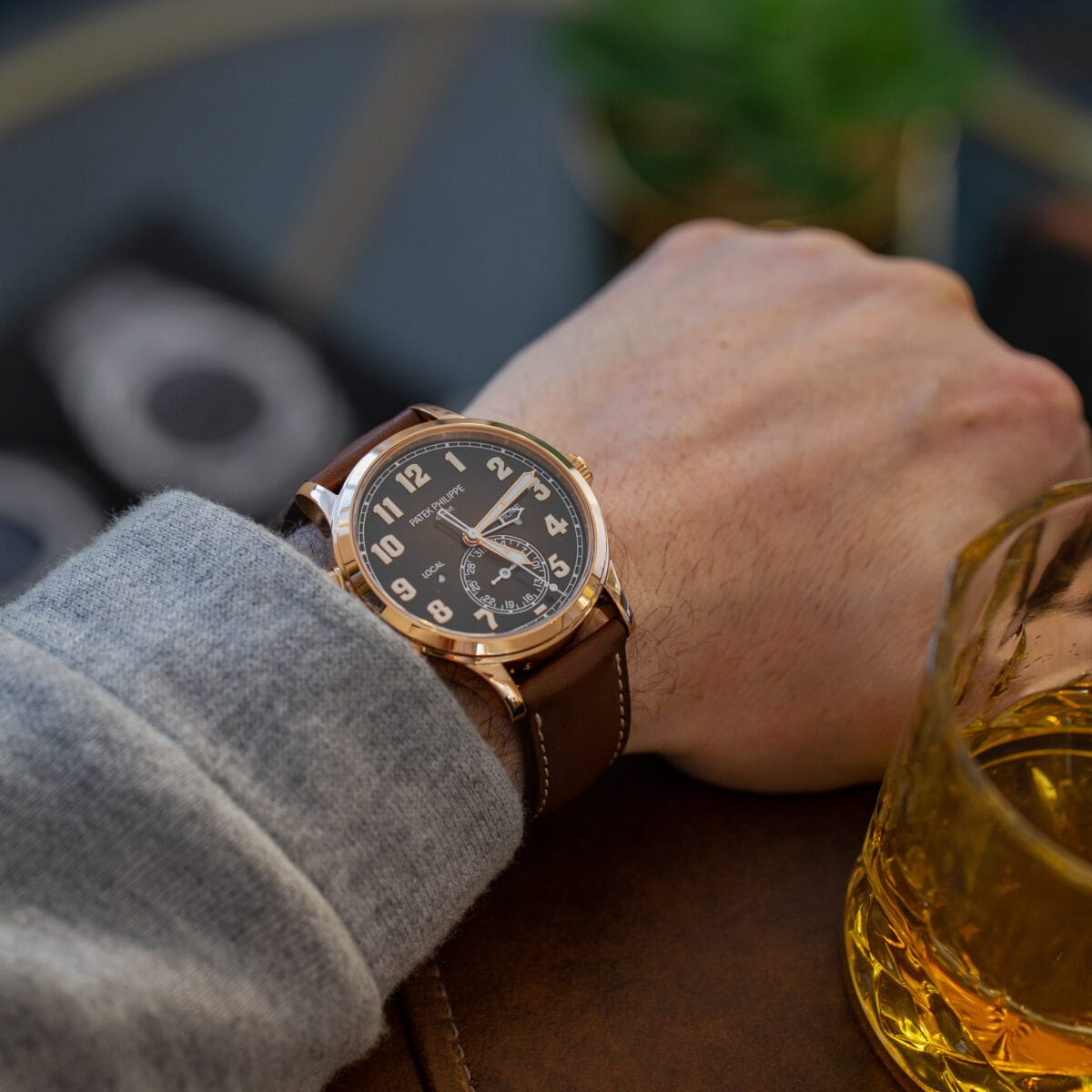
- Case shape: a 40mm can wear like a 42mm (and vice versa)
A simple rule that never lies: if the lugs overhang your wrist, it will always feel wrong. No amount of “getting used to it” fixes geometry.
This is where an in-person try-on is normally critical and why a Bramlys Salisbury showroom visit can save you a lot of online second-guessing.
Value – buy sensibly, not anxiously
It’s normal to care about value. It’s sensible to want to buy well. But the healthiest mindset is this – and you’ll have heard this a thousand times over: buy the watch you’ll actually wear and enjoy, for whatever the reason may be, and buy it properly. This isn’t a sound bite that us in the industry reel off to instil fake confidence in a purchase, it comes from a genuine place of watch enthusiasm and experience.
What genuinely supports value in the secondary market:
- Condition – and the honesty of how it’s described
- Originality – correct parts for the reference and period
- Desirability of the reference itself and not just internet hype (don’t always believe that rumour that “it’ll be discontinued next year!)
- Completeness – a full set can help
What matters somewhat less than people think:
- Claims of rarity
- Short-term price noise online
- Lack of full service history
Value is often protected by boring things: paperwork accuracy, condition integrity and not overpaying for buzzwords.
Servicing – the cost everyone forgets (until they can’t)
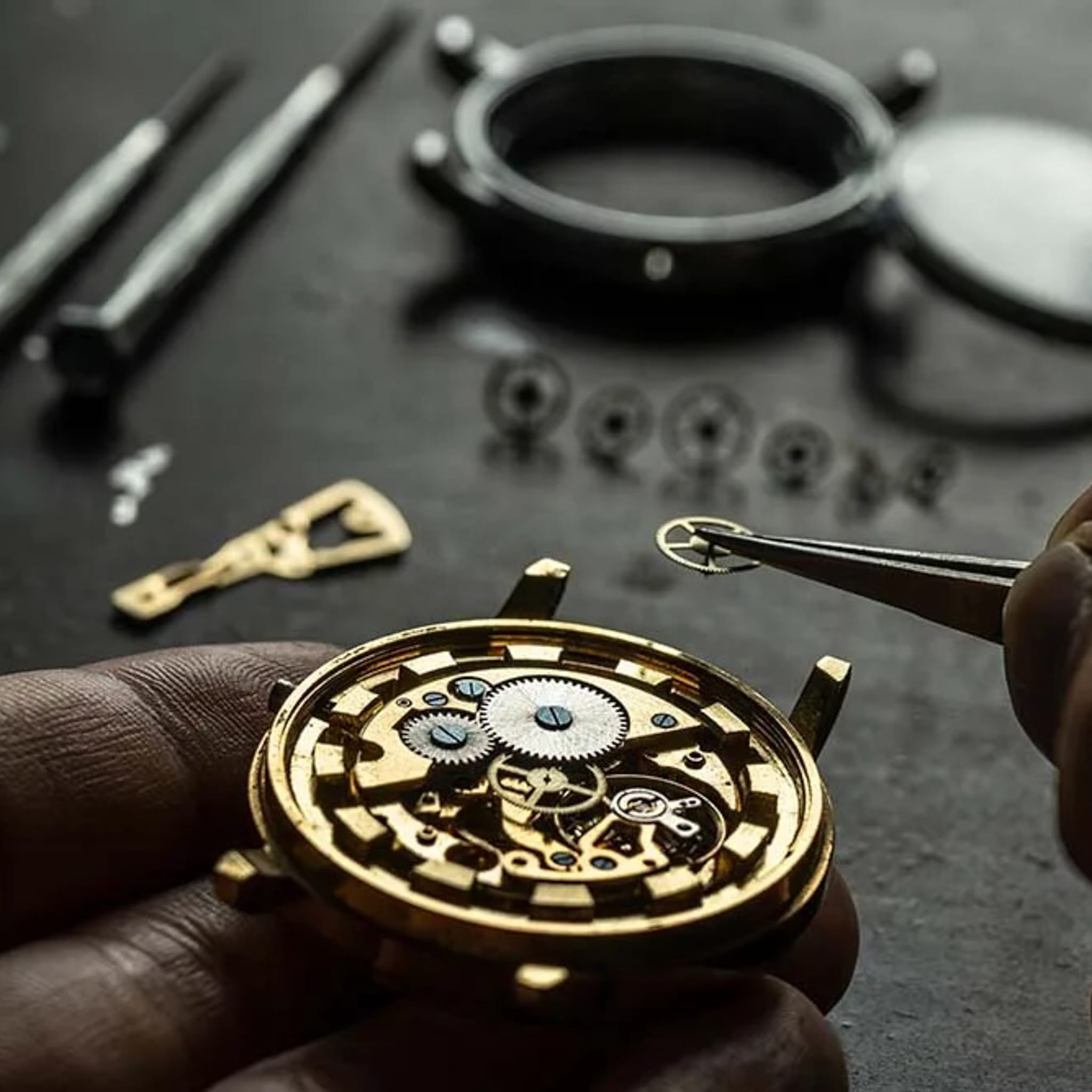
A mechanical watch is a precision machine; much like a car it requires a combination of hundreds of moving parts to work effectively. Where the two differ is that servicing of a motor vehicle is essential for health and safety reasons whereas in wristwatches, not only is there no concern of H&S, they are more than capable of running accurately while still being tired, dry, or overdue.
When you’re buying pre-owned, especially watches that are older than 10 years, you’re really judging two things:
- The watch’s current condition
- The unknowns that you might inherit
That’s why service history on a watch over 10 years old matters infinitely more than on a modern watch but isn’t essential.
Good questions to ask:
- Has it been serviced? When and by whom?
- Is there service documentation with the watch?
- Have functions been checked properly? (date change, chronograph reset, GMT jump, etc.)
- If it’s a sports watch: has water resistance been tested recently?
A dealer who trusts their own process will stand behind the watch. The question of a service history is one of the most common that we receive; it is our job to not only re-assure buyers that what they’re buying is fulfilling its intended job of timekeeping at this moment in time, but also to minimise any future risk that may be inherited, regardless of a service history.
Full Set vs Watch Only – what matters and what doesn’t
This is where buyers often get dragged down a rabbit hole, especially when looking at vintage watches.
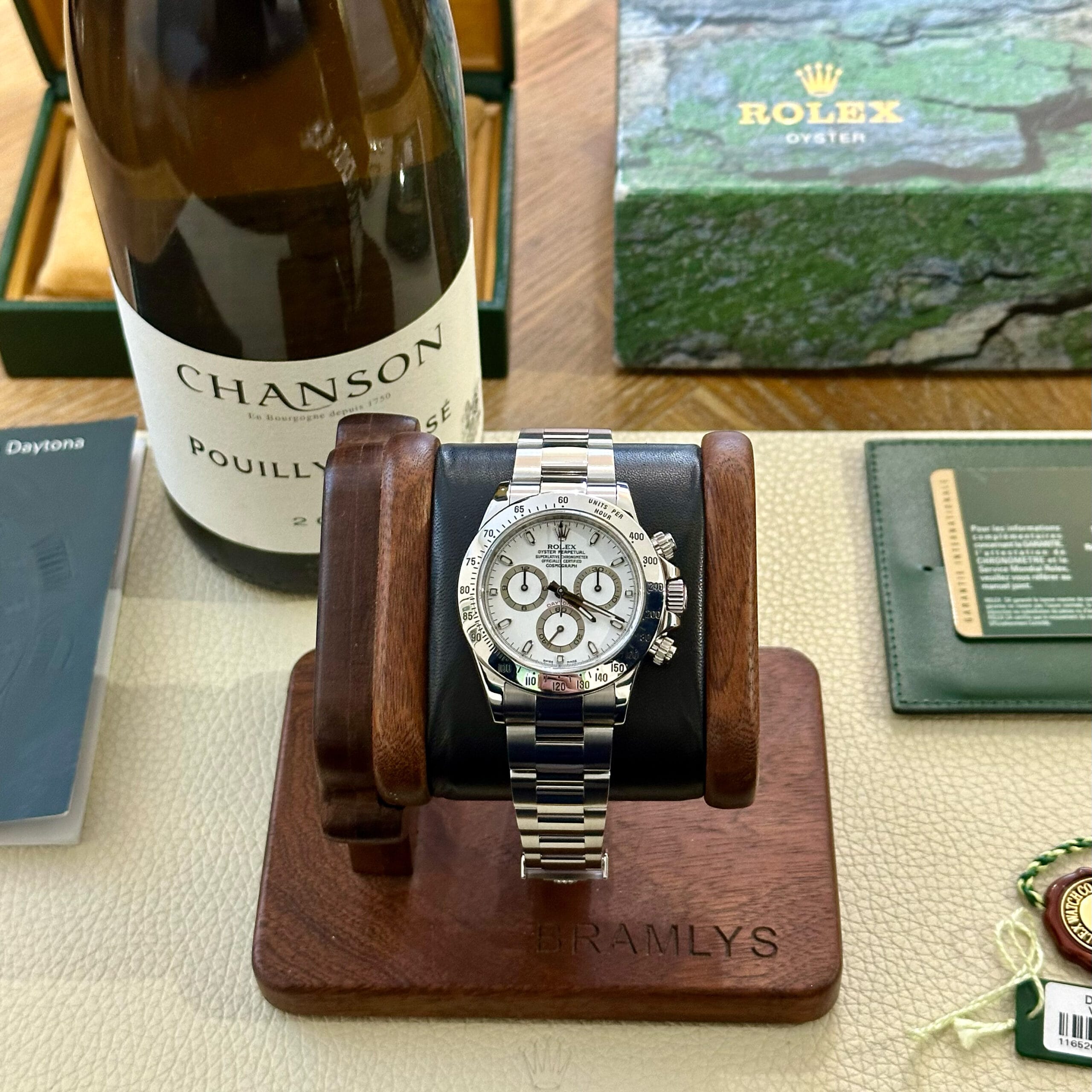
What “full set” usually includes
(this does vary by brand and year)
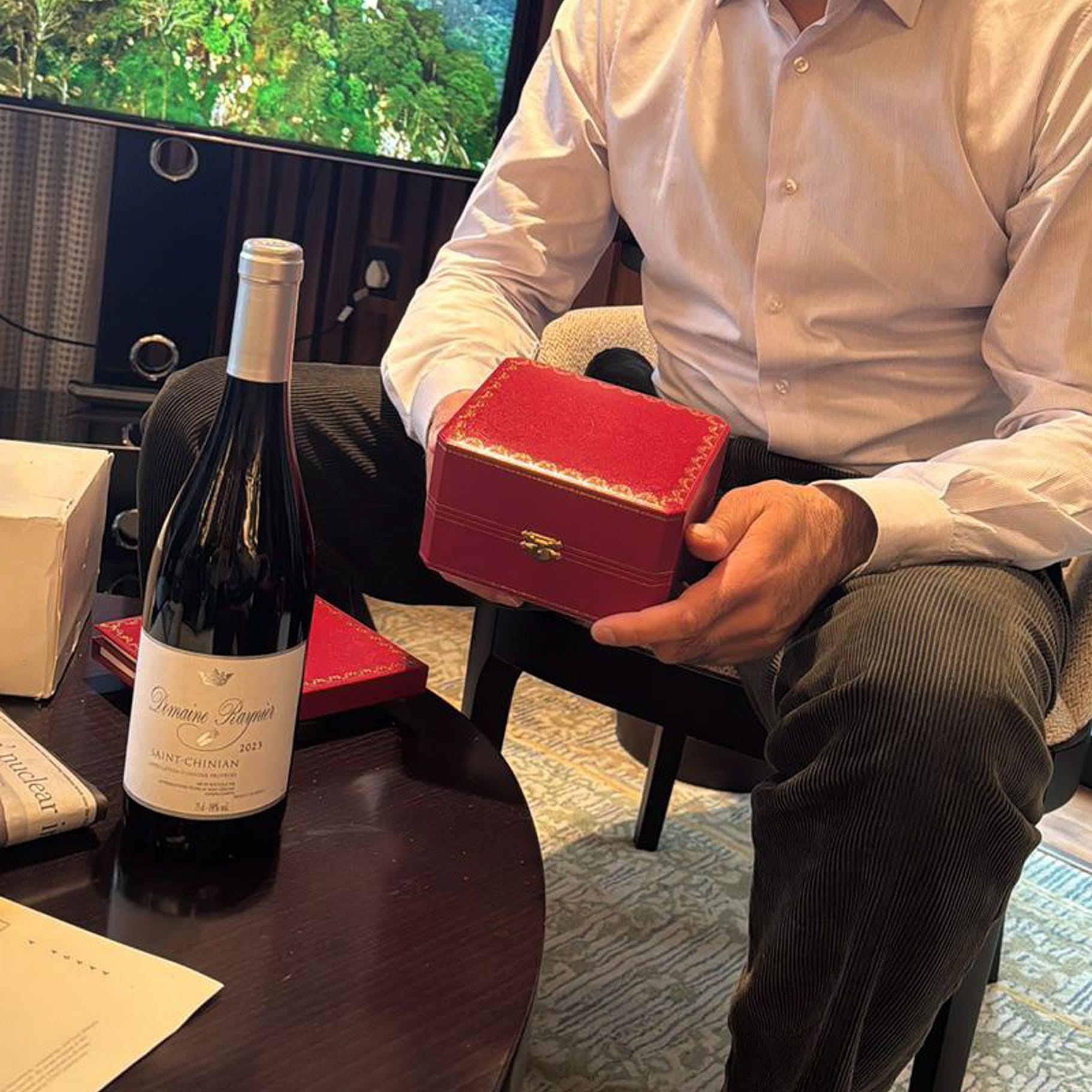
- Inner and outer box
- Warranty card or papers
- Booklets
- Tags (sometimes)
- Full compliment of bracelet links
What a full set changes
- Resale appeal: many buyers prefer full sets, so it can be easier to move on later
- Collectibility: for modern watches, especially, and certain references, completeness of set can matter a lot
- Provenance: it strengthens the story
What a full set doesn’t change
- Authenticity by default: papers can be lost, swapped, forged or mismatched
- Condition: a tired watch can still come in a lovely box
- Wearability: the watch doesn’t wear better because it has booklets
The Bramlys view: a full set is a strong plus. But it should never outrank authenticity, correctness, condition and sensible servicing expectations.
The Bramlys checklist
Use this every time you buy on the secondary market, from anyone.
1) Authenticity & correctness
- ✅ Reference and serial details are consistent with the brand and era
- ✅ Dial, hands, bezel, case and bracelet are correct for the reference or fully disclosed if not
- ✅ Movement calibre is correct and inspected
- ✅ Functions operate correctly (date, GMT, chronograph, etc.)
- ✅ No signs of moisture ingress/corrosion
2) Condition & transparency
- ✅ Sharp, clear photos of lugs, case sides, bezel, clasp, dial
- ✅ Honesty about marks, polishing and replaced parts
- ✅ Bracelet condition assessed (stretch, clasp bite, link wear)
- ✅ Link count confirmed and sizing options explained
3) Servicing & performance
- ✅ Service history, where appropriate, stated clearly and with documentation if available
- ✅ Timekeeping checked sensibly and operating within expected parameters based on the age of the watch
- ✅ Water resistance expectations explained (especially for sports watches)
4) Full set verification, if applicable
- ✅ Card/papers match the watch (not just “included”)
- ✅ Boxes/accessories are correct for the era where it matters
- ✅ All items are listed clearly and therefore you are fully aware which items do not come with the set
5) Commercial protections
- ✅ Clear returns policy
- ✅ Proper invoice/receipt with full watch details
- ✅ Secure payment methods and transparent process
- ✅ Fully insured shipping or professional collection process
If a seller can’t answer these calmly and clearly, that’s your answer.
The Quiet Truth: The best watches aren’t always the loudest ones
A good secondary-market purchase shouldn’t feel like a gamble. It should feel like a decision you’d happily make twice.
If you want to browse with confidence, compare references, or simply talk through sizing and suitability, Bramlys is here for you with a reputation built on doing things thoroughly, properly and with a showroom in Salisbury city centre where you can try watches on and leave with clarity.
Author: Bramlys