Exploring the Legacy of Cartier: A Journey Through Time
When discussing the great names of watchmaking, Cartier occupies a unique and interesting position. Unlike many Swiss manufacturers that built their reputations purely on mechanical innovation, Cartier approached watchmaking from a different – arguably more influential – angle: one of design, elegance and cultural relevance. The result is a watch legacy that feels timeless, instantly recognisable and enduringly desirable.
At Bramlys, we often say that Cartier doesn’t just make watches – it defines how watches should look.
From Jeweller to Watchmaking Pioneer
Founded in Paris in 1847, Cartier began life as a high-jewellery maison, catering to royalty, aristocracy and society’s elite. By the early 20th century, however, Cartier would quietly reshape the future of wristwatches – long before they were considered the norm for men.
In 1904, Louis Cartier created what is widely regarded as the first modern men’s wristwatch: the Santos, designed for his friend, aviator Alberto Santos-Dumont. At a time when pocket watches still ruled, Cartier recognised that form, function and elegance could co-exist on the wrist.
This wasn’t just a watch. It was a cultural shift.
Designing Icons, Not Trends
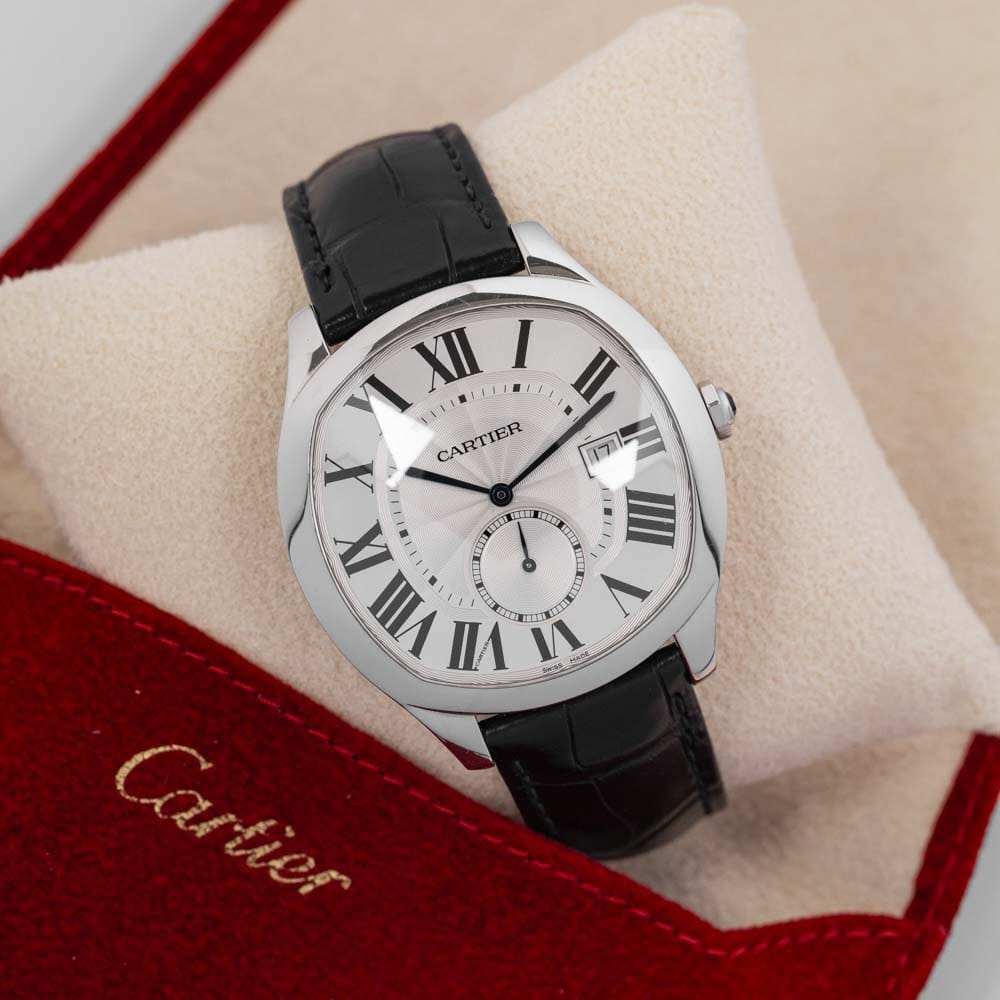
One of Cartier’s greatest achievements is its ability to create designs that remain relevant across generations. The brand’s most celebrated watches weren’t conceived as fleeting fashion statements – they were architectural in nature. For example …
- Santos – Bold, geometric and purposeful, with exposed screws that remain a signature to this day.
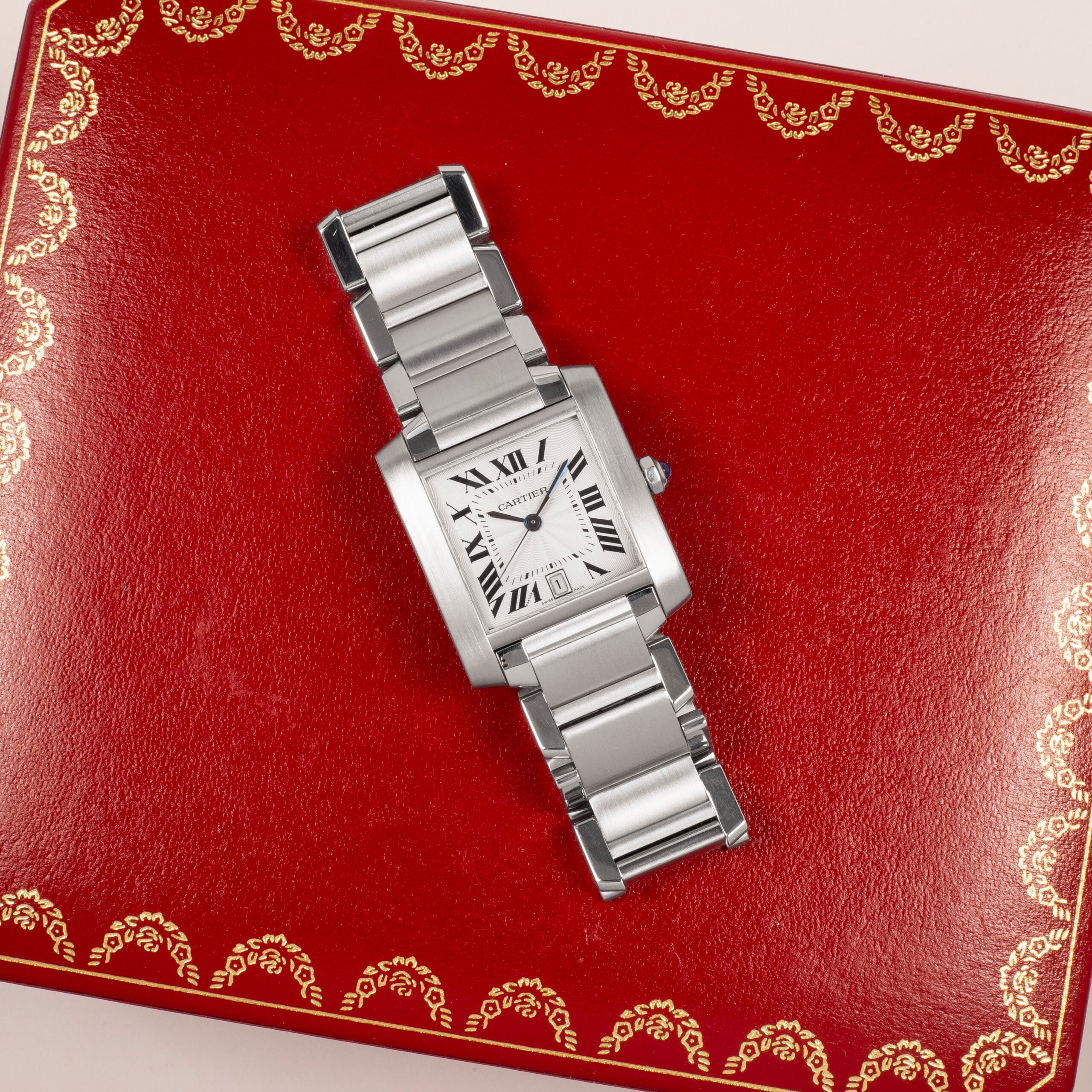
- Tank (1917) – Inspired by the silhouette of military tanks in World War I, the Tank became one of the most influential watch designs ever created. Worn by statesmen, artists and tastemakers, it blurred the line between watch and jewellery.
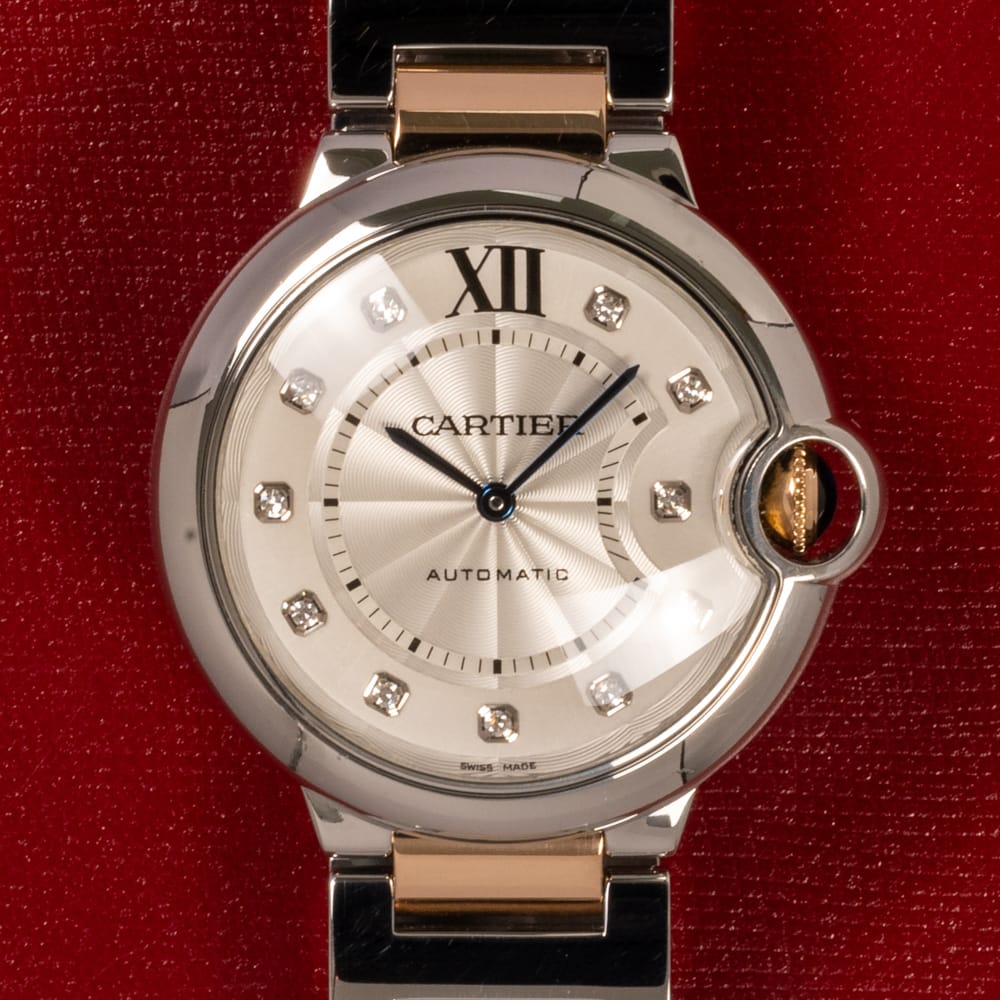
- Ballon Bleu (2007) – A modern classic, instantly recognisable for its floating crown and rounded case, proving Cartier’s ability to create contemporary icons without abandoning its DNA.
While many brands refine complications or materials, Cartier’s enduring strength lies in its mastery of proportion and form – qualities that age far more gracefully than trends.
Cartier and the Evolution of the Wristwatch
Cartier played a critical role in legitimising the wristwatch as both a functional object and a symbol of refinement. At a time when wristwatches were dismissed as novelties, Cartier elevated them through:
- Elegant case shapes
- Roman numeral dials
- Blue sword hands
- Cabochon-set crowns
These elements became hallmarks of luxury watch design – widely imitated but rarely bettered.
Importantly, Cartier also understood who watches were for. Its designs transcended gender long before “unisex” became a marketing term, making Cartier watches some of the most versatile and inclusive in horology.
Mechanics with Discretion
Historically, Cartier was never obsessed with shouting about movements – and that discretion is part of its charm. Over the years, Cartier collaborated with leading Swiss movement makers, before developing increasingly sophisticated in-house calibres in more recent decades.
Today, Cartier balances mechanical credibility with aesthetic purity. Complications are subtle, proportions are refined and nothing detracts from the overall design. For many collectors, this restraint is precisely the appeal.
Cultural Significance and Enduring Appeal
Few watch brands enjoy Cartier’s cultural footprint. From royalty and Hollywood icons to modern creatives, Cartier watches have long symbolised taste rather than excess. They don’t rely on overt sportiness or technical bravado – instead, they project quiet confidence.
In the secondary market, this translates to consistent demand. Classic Cartier models remain highly wearable, instantly recognisable, and increasingly appreciated by collectors seeking something timeless rather than trend-led.
Why Cartier Still Matters Today
In a world where watchmaking can sometimes feel obsessed with size, hype or complication for complication’s sake, Cartier offers something refreshing: a clarity of purpose.
- Designs that have remained relevant for over a century
- A legacy rooted in culture, art and architecture
- Watches that feel as appropriate with a suit as they do with everyday wear
Cartier reminds us that true luxury isn’t always loud, sometimes it’s simply perfectly judged.
A Bramlys Perspective
At Bramlys, we see Cartier as one of the most important watch brands in history – not because it chased innovation the loudest but because it shaped how watches fit into everyday life. For clients seeking elegance, heritage and enduring style, Cartier remains one of the most compelling choices in luxury watchmaking.
From early pioneers to modern icons, Cartier’s journey through time is a testament to the power of design done right – and why its watches continue to captivate collectors and first-time buyers alike.

Author: Bramlys